Recruitment Agency Platform with Multi-Channel Messaging
A full-stack platform modernizing temporary staffing operations — from legacy back-office and mobile candidate engagement to enterprise-grade multi-channel messaging.
Summarize with AI
Project Snapshot
- Duration
- 6 years
- Scope
- Recruitment platform + enterprise messaging system
- Components
- Mobile app, back-office, extranet, public site, messaging web app
- Key Tech
- Docker, GitHub Actions, AWS, Node.js/TypeScript, React, PostgreSQL, microservices
- Compliance
- Local employment law (multiple contract types, social insurance)
- Project status
- In production
About the Client
A leading European staffing group (client under NDA) specializing in temporary workforce solutions approached CodeTiburon about a comprehensive technology overhaul. The company operates a network of recruitment agencies across Europe, managing thousands of temporary workers, client orders, and employment contracts on a daily basis. The engagement spanned two major product streams: a full recruitment management platform and an enterprise messaging system for real-time workforce communication.
The Problem
The client faced two interconnected problems. First, their legacy recruitment platform needed a ground-up redesign — the UX was outdated, processes were manual, and the system couldn't scale. Second, even with a modern platform, the fundamental problem of timely communication between agencies and temporary workers remained unsolved.
Platform Modernization
The client was looking for a custom engineering solution aligned with their specific business processes and compliant with local employment law regulations. The existing system required a considerable upgrade across several dimensions:
- Legacy software rethinking. UX needed rewiring. Modern recruitment solutions go beyond user database, contract history, and payroll management into instant messaging and advanced analytics integration.
- Automation & integration. Automate and synchronize data pull from all sources (including the public site) and effectively reduce manual processes.
- Forward-looking solution. A long-term objective was to phase out legacy components (e.g., the extranet) and make the system more lightweight and durable.
The Communication Gap
Temporary workers are usually hired for a period of ½ day – 2 months, they're semi-skilled and work with 4–5 agencies simultaneously. Responsiveness is a competitive advantage in the temp staffing market. The 'finding' part is easy via ERP that many companies employ to match candidates to jobs. ERPs help manage candidates, CVs/skills, availability status, contracts, and payrolls.
However, the challenge is how to connect on time and secure a prospect in a more effective manner, by reducing all the back-and-forth of calling and texting to the bare minimum. Both recruiters (facing costly, stressful workforce search) and temporary workers (not always tech-savvy) demanded a cost-efficient, user-friendly solution for getting connected.
Key Challenges
-
Legacy software rethinking
UX needed rewiring. Modern recruitment solutions go beyond user database, contract history, and payroll management into instant messaging and advanced analytics integration.
-
Automation & integration
Automate and synchronize data pull from all sources (including the public site) and effectively reduce manual processes.
-
Forward-looking solution
A long-term objective was to phase out legacy components (e.g., the extranet) and make the system more lightweight and durable.
-
Communication
Connect on time and secure a prospect in a more effective manner, by reducing all the back-and-forth of calling and texting to the bare minimum.
Our Solution
Overview
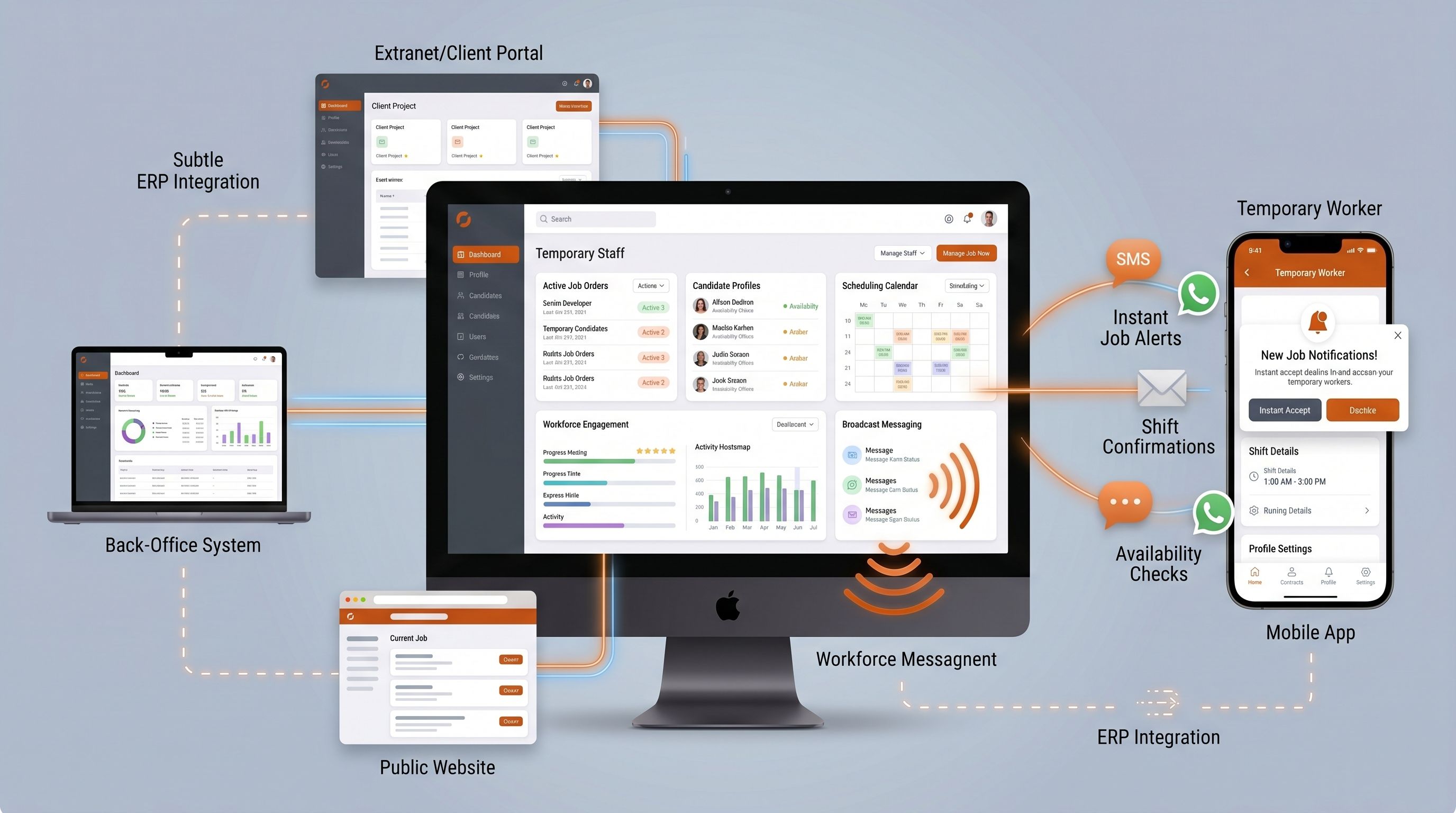
- Full-stack recruitment platform: mobile app, back-office, extranet, public site
- Enterprise messaging with ERP integration and standalone use
- Multi-channel communication: SMS, email, WhatsApp
- Message broadcast for faster, cost-efficient workforce engagement
Part 1: Recruitment Management Platform
We aimed at making the system lightweight and easily scalable yet retaining its familiar look and feel. The core task was integration and orchestration of four components – mobile app, back-office, extranet, and the public site. Our API allows for real-time data pull from different sources, creating an optimal workflow for recruitment process management.
Mobile App
The mobile app gives quick and easy access to positions advertised by recruitment agencies. Users can choose jobs, adjust time and location preferences, and see positions, offers, and contracts. The app enables all-time on-the-go access to user data (stats, history of offers and collaboration). Key features:
- Registration / Login – multi-factor verification via SMS and manager approval.
- Dashboard – ongoing activity tracking with tabs for offers, messages, contracts, availability, and salary stats.
- Job Wishes – job types (permanent, fixed-term, temporary) and locations to pick from.
- Documents & History – read-only access to payrolls, contracts; chronological job history.
- Messaging & Notifications – in-app chat with generic (Yes/No) and detailed exchange modes; red badges for updates.
Back-Office
The back-office serves as the primary channel of candidate–agency communication. It orchestrates different flows with a multi-role user logic (SUPERADMIN, AGENCY DIRECTOR, MANAGER, CANDIDATE), each role with its own capacity and functions. Core functionality:
- Agency Dashboard – toolboxes for client orders, candidate approval, contract viewing.
- Administration – SUPERADMIN manages agencies and users; AGENCY DIRECTOR acts at agency level.
- Temporary Workers – 'pending for approval' lists allocated by location; managers approve, decline, or message.
- Order Management – client orders synced to database with full CRUD and status management.
Extranet for Temporary Workers
A legacy system bridging the transition to mobile, designed to create an equal footing for less tech-savvy groups of users. Registered users access job offers, collaboration history, payment stats, and manage files. Integration with the client's core workforce management platform delivers timely responses via alternative channels (SMS, email, WhatsApp).
Public Site
A public site where general job ads are posted. Any internet user can submit a resume via the site form. We provided a contact API to keep the agency's contact database automatically synched at all times.
Part 2: Enterprise Messaging System
The enterprise messaging web application transformed the way agencies reach out to prospects. It can operate as a standalone product or integrate with existing ERP systems, making it adaptable to different agency setups.
Key Benefits
- A faster way to connect and get a response, beating the competition by a mile.
- Eliminates the trouble of voicemails and waiting for callbacks.
- Quickens daily status updates of large candidate databases — a prerequisite of effective search.
- More effective than simple SMS-ERP integration; also more cost-efficient, avoiding license costs and OS compatibility issues.
- Broadcast messaging: gets more done with less money.
How It Works
The sorted candidate list is manually or automatically (via ERP integration) loaded into the application. Two types of messages reach candidates:
- A yes/no message to learn availability and agreement to an offer.
- An information update to 'yes'-candidates on offer details.
Candidates are then sorted into 'all', 'yes', 'no', 'other', and 'no response' groups. The app prioritizes 'yes'-responses by moving them to the top, enabling faster reach-out.
Messaging Features
- Messages – create / edit / send / receive / view / archive dialogues with internal and external users.
- Message Types – 'offers' (requiring yes/no response) and 'news' (information updates).
- User Categories – filter-based sorting by response type for efficient handling.
- Push Notifications – numeric badges marking response types and updates.
- Broadcast – send identical messages to multiple users simultaneously.
- Invitations – extend the user base by messaging external candidates.
- Multi-Channel – SMS, WhatsApp, and email with consolidated responses in one platform.
Technology Insights
Platform Architecture
The platform's infrastructure is built on Docker container technology, making the system reliable and easily scalable. Certain microservices have been moved to different servers to balance node loads.
Using continuous integration (GitHub Actions), we could easily roll back to any previous state. It also enabled efficient horizontal scaling. Deploying on AWS ensures cost-efficiency at scale.
Messaging Backend
The messaging backend uses microservices for message queues and broadcast across channels — an optimal approach to bypass monolithic frameworks and the overhead their use entails. The system supports integration with time-sensitive contact points where accuracy is critical.
Technology Stack
- Containerization: Docker
- CI/CD: GitHub Actions
- Cloud: AWS
- Architecture: Microservices
- Platform Backend: Node.js, TypeScript (REST API), microservice message queues
- Frontend: React, Material UI
- Database: PostgreSQL
- Channels: SMS, Email, WhatsApp
- Auth: Multi-factor verification (SMS + manager approval)
Outcomes
The combined platform delivered a measurable improvement in how the client's agencies operate. The recruitment management system unified four previously disconnected touchpoints (mobile, back-office, extranet, public site) into a single coherent workflow. The messaging system dramatically reduced the time-to-connect with candidates, replacing costly phone call cycles with instant, multi-channel communication.
Together, the two systems form a complete digital backbone for modern temporary staffing operations.
Explore more of our work across industries and technologies.
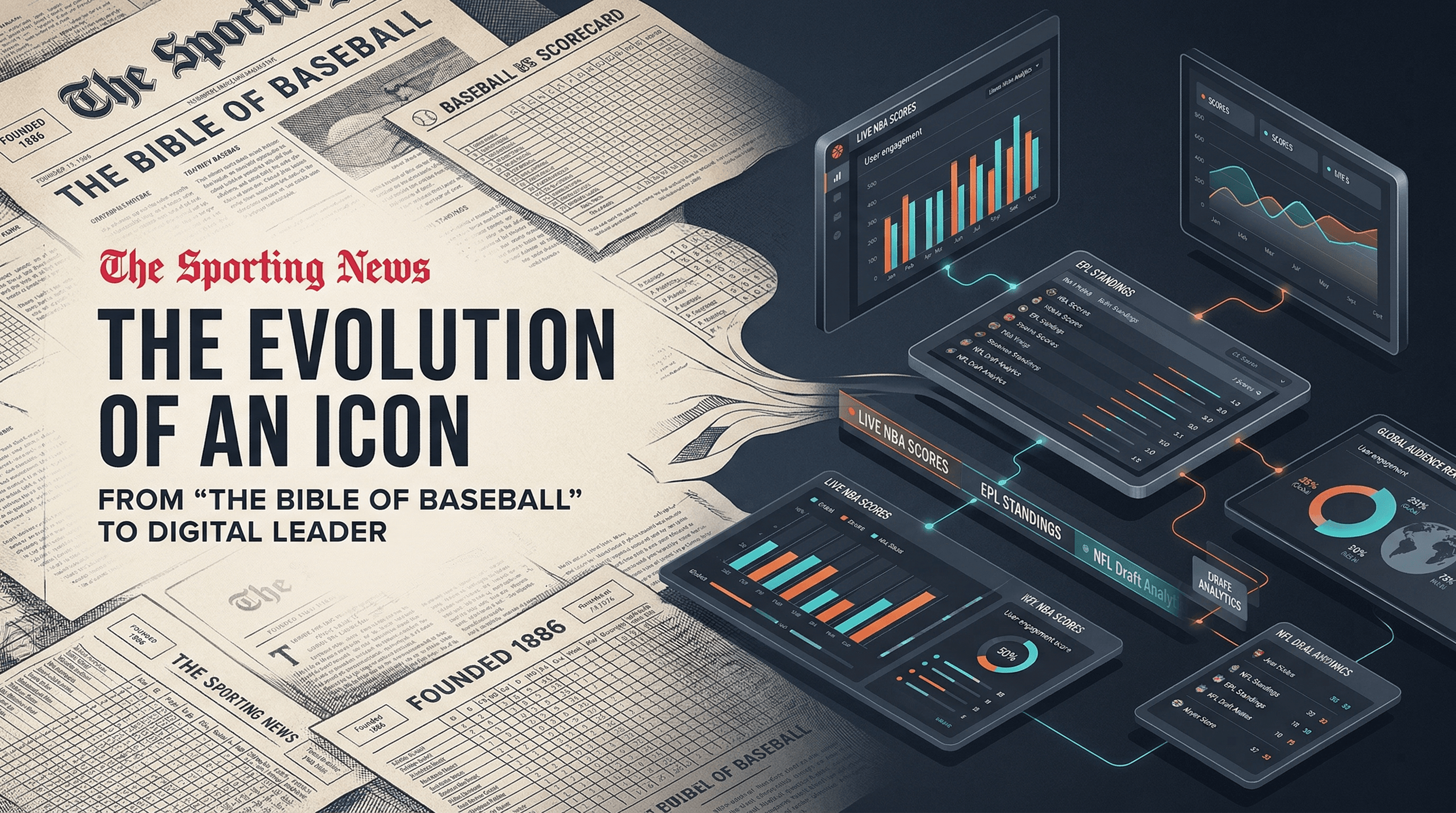
The Sporting News: Multinational Online Sports Magazine
How we rebuilt a 130-year-old sports publishing icon as a modern headless CMS platform — migrating 1M+ articles with zero downtime and launching five new language editions in a single year.
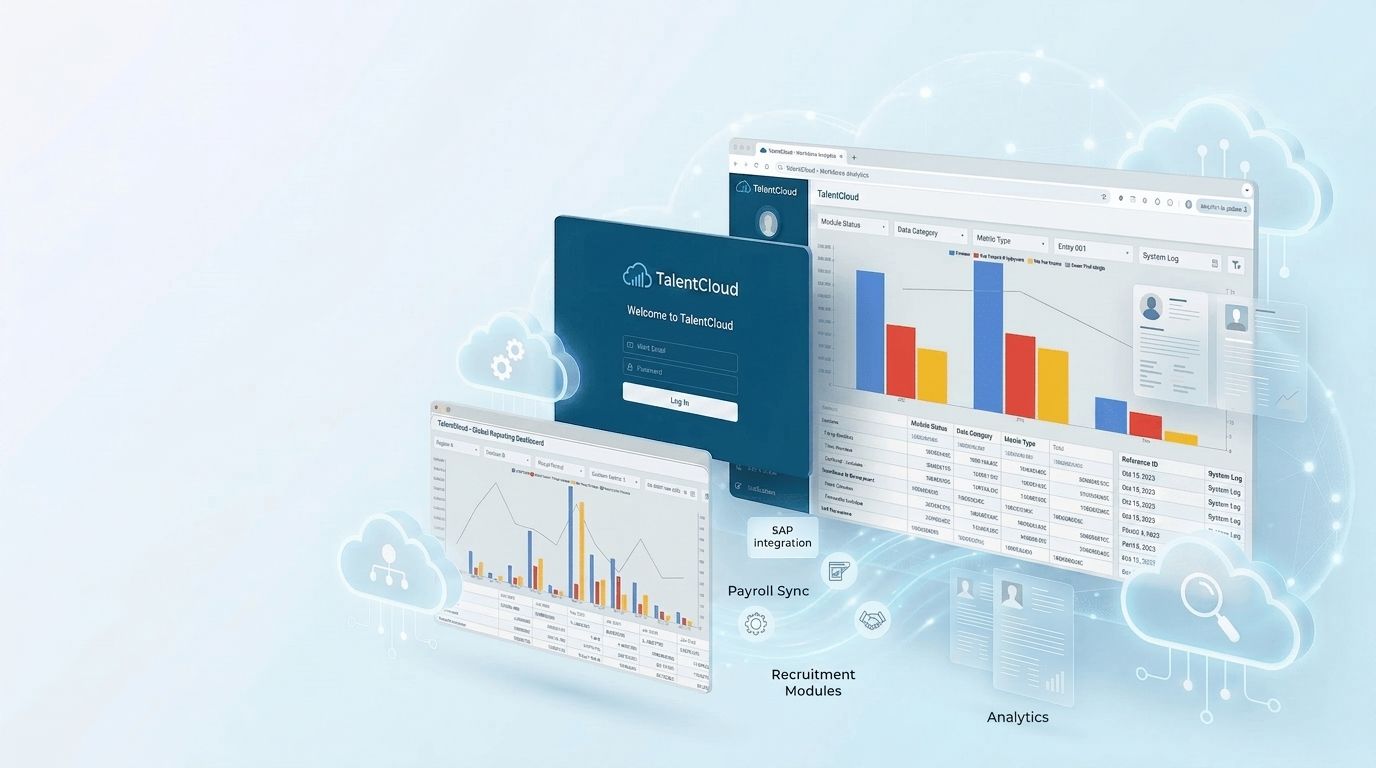
Custom ERP for a Recruitment Consultancy
Legacy ERP modernization and cloud consolidation for a major European recruitment consultancy — unifying payroll, reporting, and contract management into a single platform.
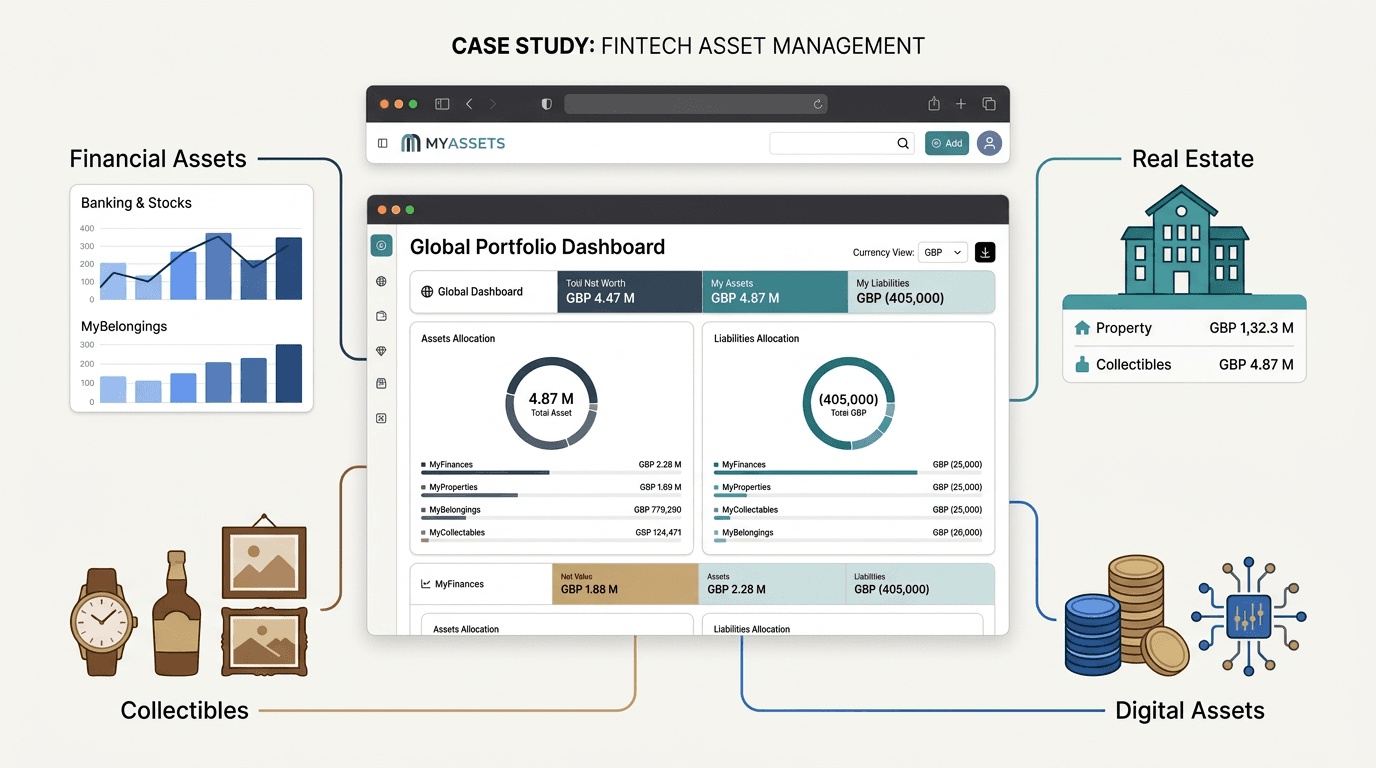
MyAssets: Portfolio Organizer for Individuals, Groups, and Businesses
CodeTiburon partnered with a Family Office to build MyAssets Platform — an analogue-free, fully integrated wealth management solution for high net worth individuals. The platform replaces fragmented single-class asset trackers with one unified view across financial assets, real estate, collectables, and personal belongings — so clients always know their true net worth at a glance.