Building Production Infrastructure for an AI Agent Engineering Platform
Senior platform engineering for a production-grade AI agent evaluation and optimization platform.
Summarize with AI
Project Snapshot
- Duration
- 2 months (ongoing)
- Project status
- Ongoing
- Engagement model
- Research & Development
- Industry
- AI Infrastructure
- Team
- Senior platform engineer (10+ yrs)
Technology Stack
- Backend
- Python, async microservices, event-driven workflows
- Distributed compute
- Ray, Optuna
- Frontend
- React, TypeScript
- Infrastructure
- Docker, Kubernetes, Terraform / Pulumi
- Cloud
- AWS, GCP, Azure
- Databases & retrieval
- PostgreSQL, vector databases
- Observability
- Metrics, logs, distributed tracing, profiling
- Developer tooling
- SDK, CLI, AST-based static analysis
About the Client
An AI infrastructure startup building an Agent Engineering Platform — a control layer for designing, evaluating, observing, and optimizing AI agents in production.
The platform brings software-engineering discipline to AI agent development by providing infrastructure for evaluation, orchestration, reliability, gating, and continuous optimization based on real production usage data. Engineering and product teams use it to ship AI agents from lab to production at scale — with measurable accuracy, cost, latency, and safety guarantees.
The client is under NDA; details in this case study are intentionally anonymized.
The Problem
Teams shipping AI agents face an exploding configuration space — combinations of prompts, models, retrieval strategies, tools, and guardrails — where roughly 95% of configurations are suboptimal. Manual tuning drains engineering cycles, quality and safety risks slip into production, and there is no credible way to back configuration choices with evaluation data.
Our client's platform addresses this directly with evaluation pipelines, optimization workflows, and quality gates that move AI agent development out of prompt guesswork and into systematic engineering. To support that mission, the platform itself needed production-grade backend infrastructure: reliable distributed pipelines, stable SDK-friendly APIs, multi-tenant isolation, and deep observability across cost, latency, and safety budgets.
The client engaged CodeTiburon at an early stage to bring senior platform engineering capacity to the team — owning Python microservices, distributed workflows, and developer-facing tooling end-to-end.
Key Challenges
Distributed evaluation pipelines at scale
Running AI agent evaluations across large datasets demanded execution, scheduling, retries, idempotency, and fault tolerance to keep results correct under load and across failures.
Multi-tenant production reliability
Serving multiple customer workloads from a shared platform required SLA-driven engineering, isolation, queueing, backpressure, and predictable behavior under bursty traffic.
Stable APIs across SDKs and services
SDK and CLI consumers needed versioned, well-documented, backward-compatible APIs so developer-facing tooling could evolve without breaking integrations.
Cost and latency budgets for AI workloads
An exploding configuration space made resource usage unpredictable. The platform had to make cost and latency observable, attributable, and gateable in CI before any change reached production.
Observability for agents and infrastructure
Diagnosing agent behavior and system performance required deep observability — metrics, logs, distributed tracing, profiling, and unified cost/latency budgeting across services.
Our Solution
CodeTiburon embedded a senior Python platform engineer (10+ years of production systems experience) into the client's small founding team. The engagement focuses on owning backend services and distributed workflows end-to-end, while contributing to developer tooling and the platform UI where needed.
Scope of work
- Backend ownership. Evolving Python microservices and async, event-driven workflows.
- Distributed evaluation pipelines. Hardening execution, scheduling, retries, idempotency, and fault tolerance.
- API design. Stable, versioned APIs with SDK-first ergonomics and strict backward compatibility.
- Production reliability. Multi-tenant SLAs, queueing and backpressure, retries, and isolation.
- Engineering quality. Unit, integration, and contract tests; CI/CD gates; release discipline; documentation.
- Observability. Metrics, logging, distributed tracing, profiling, and unified cost/latency budgeting.
- Static analysis & instrumentation. ASTs, linters, rules engines, and program transformation for the platform's developer-facing code intelligence layer.
- Light full-stack contribution. Platform UI features in React and TypeScript.
The work operates within the client's developer platform — a domain-specific specification language and SDK that let developers define tunable decisions across models, prompts, tools, retrieval strategies, and constraints, and gate changes in CI against accuracy, cost, latency, and safety KPIs.
Our Process
Discovery & architecture mapping
Mapped the platform's distributed architecture, evaluation workflows, SDK and CLI surface, and identified the highest-impact reliability and scaling risks.
Backend & pipeline hardening
Strengthened Python microservices and distributed evaluation pipelines — scheduling, retries, idempotency, and fault tolerance under multi-tenant load.
API & SDK stabilization
Designed and stabilized versioned, SDK-friendly APIs with backward-compatibility guarantees so SDK/CLI consumers could evolve safely.
Observability & quality gates
Instrumented metrics, logs, distributed tracing, and profiling; wired CI/CD quality gates, contract tests, and release discipline across services.
Ongoing platform evolution
Continuous senior engineering contribution across backend, developer tooling, static analysis / instrumentation, and select React/TypeScript UI features.
Key Features
-
Distributed evaluation pipelines
Scheduled, retry-safe, idempotent execution of agent evaluations across large datasets and tenants.
-
Stable, versioned APIs
SDK-first APIs designed for backward compatibility so developer tooling can evolve without breakage.
-
Multi-tenant reliability
Isolation, queueing, backpressure, and SLA-driven engineering for shared production workloads.
-
Full-stack observability
Metrics, logs, distributed tracing, and profiling across services, surfaced where engineers and operators need them.
-
Cost & latency budgets
AI workloads tracked against explicit cost and latency budgets and gated in CI before reaching production.
-
Code intelligence & instrumentation
ASTs, linters, rules engines, and program transformation powering the platform's developer-facing intelligence layer.
Outcomes
The engagement is ongoing, and the work is steadily moving the platform from early-stage product toward a production-grade AI agent infrastructure. Tangible contributions to date:
- More reliable distributed workflows through hardened scheduling, retries, and idempotency in evaluation pipelines.
- Stable, backward-compatible APIs that let SDK and CLI consumers evolve without breakage.
- Production-grade multi-tenant backends with clearer SLA, queueing, and backpressure behavior.
- Deeper observability across metrics, logs, tracing, profiling, and cost/latency budgeting.
- Higher engineering quality via testing strategy, CI/CD gates, and release discipline.
The collaboration supports the client's goal that defines its category: turning AI agent development from prompt guesswork into a systematic, measurable, production-ready engineering discipline.
Explore more of our work across industries and technologies.
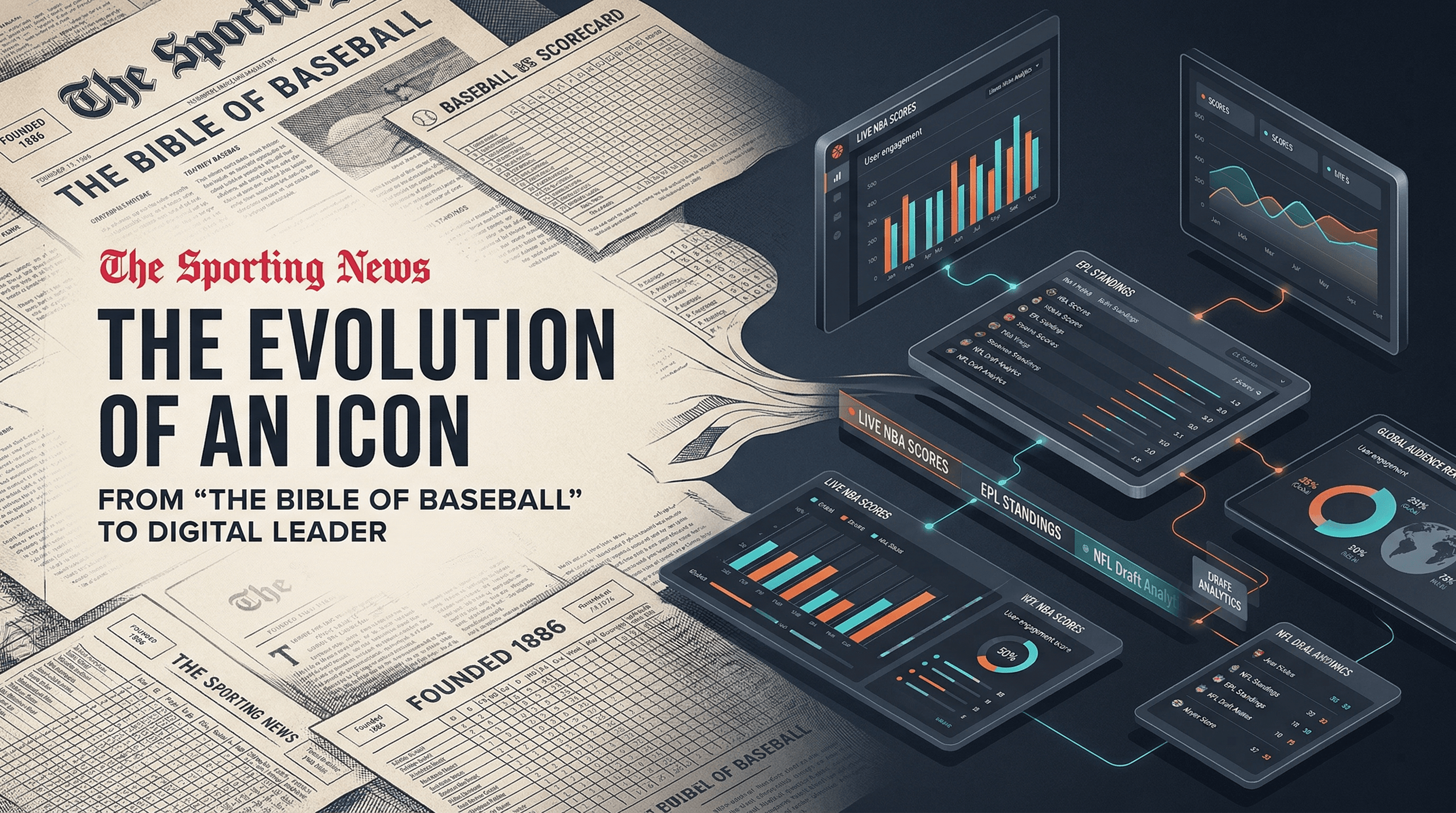
The Sporting News: Multinational Online Sports Magazine
How we rebuilt a 130-year-old sports publishing icon as a modern headless CMS platform — migrating 1M+ articles with zero downtime and launching five new language editions in a single year.
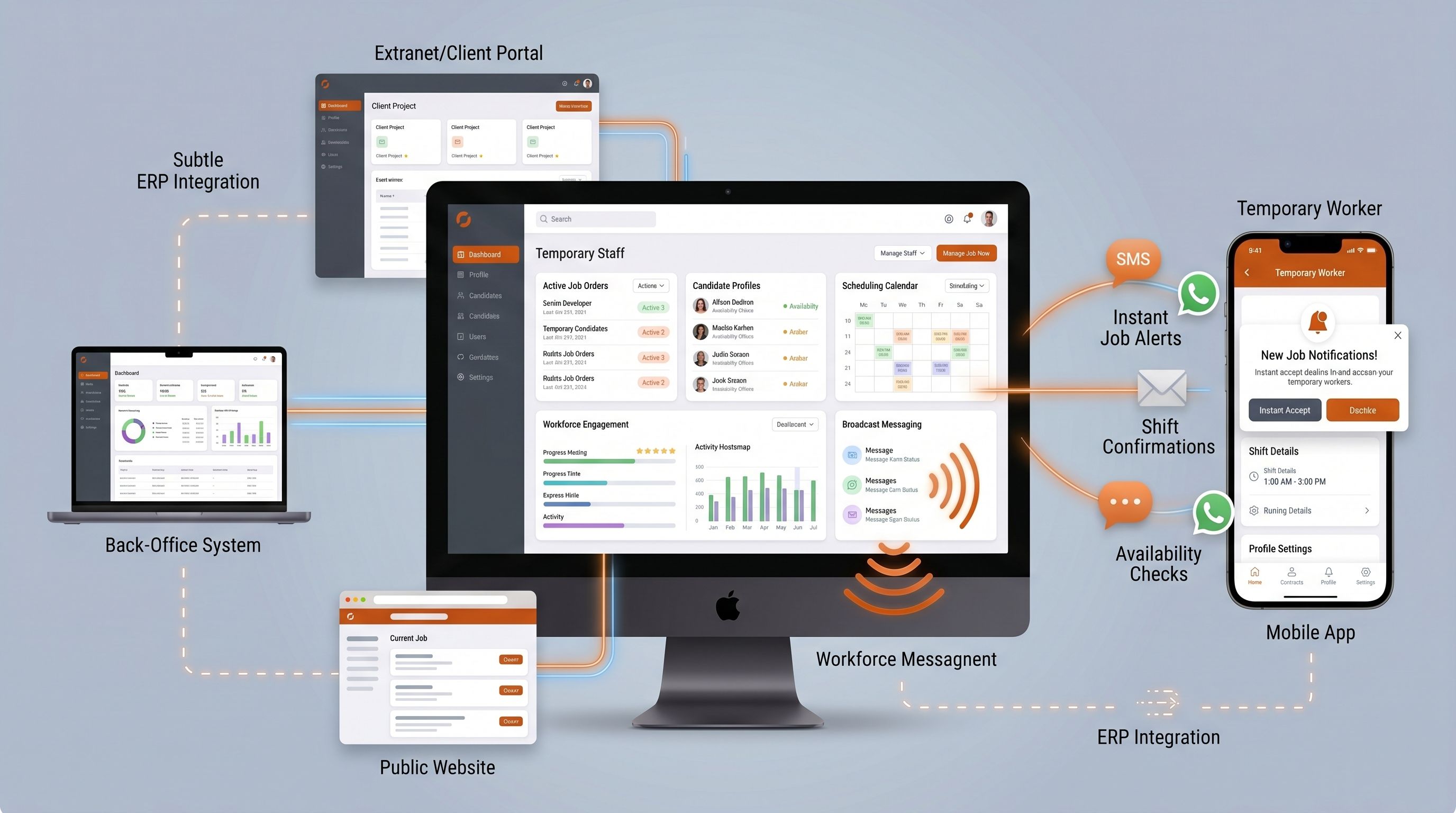
Recruitment Agency Platform with Multi-Channel Messaging
A full-stack platform modernizing temporary staffing operations — from legacy back-office and mobile candidate engagement to enterprise-grade multi-channel messaging.
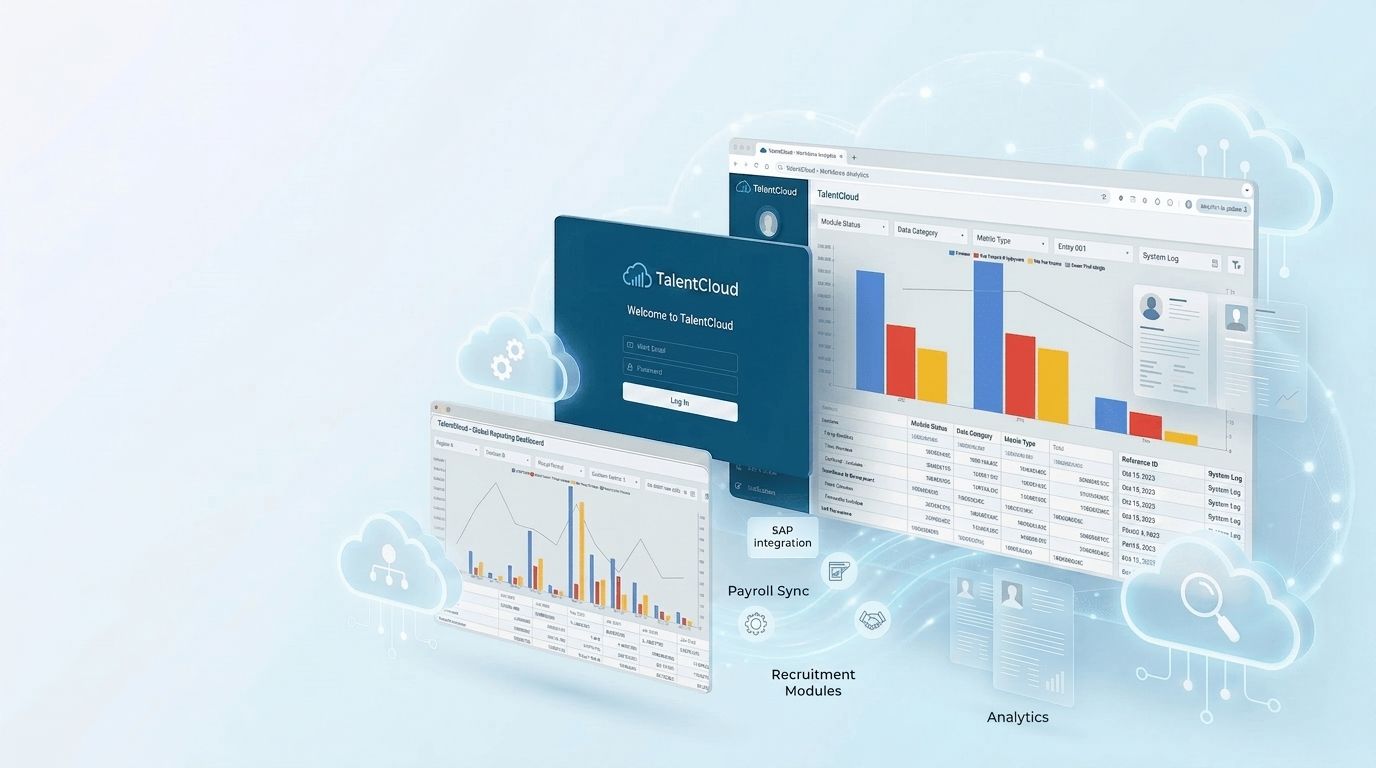
Custom ERP for a Recruitment Consultancy
Legacy ERP modernization and cloud consolidation for a major European recruitment consultancy — unifying payroll, reporting, and contract management into a single platform.